· 6 min read
Beyond the Build: What It Takes to Make Technology Matter
DataKind brings its experience in responsible AI, open-source technology, and community-centered innovation to DevFest Florida 2026
DataKind is a mission-driven technology nonprofit building trusted data infrastructure and AI-powered products to help organizations make better decisions and deliver greater impact. Its work spans education, economic mobility, humanitarian response, and more.

Technology is advancing at an extraordinary pace. AI can generate code, analyze vast amounts of data, and help developers tackle problems that once seemed out of reach. But building something that works is only the beginning. The bigger challenge is creating technology that people can use, trust, shape, and sustain.
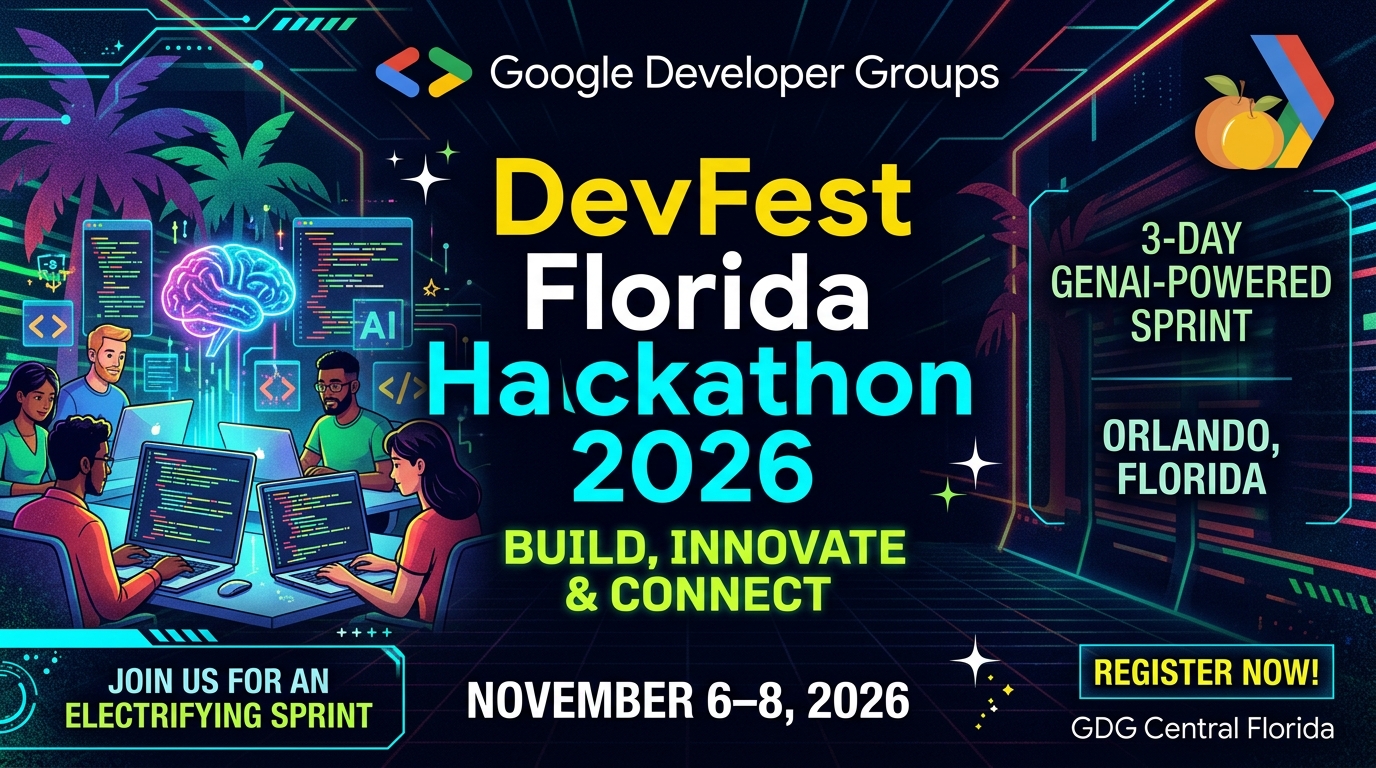
That’s the perspective DataKind will bring to DevFest Florida 2026. Through its keynote, Beyond the Build: Technology, AI, and Community Impact , and two hackathon challenges, the organization will explore how open source, interoperability, shared infrastructure, and responsible AI can help turn technical innovation into lasting impact. A DataKind representative will also serve as a hackathon judge.
The Systems Behind Lasting Impact
The keynote will examine what it takes to move beyond building a technical solution and create technology that people can use, trust, shape, and sustain. Drawing on DataKind’s experience building technology for social impact, the presentation will explore the role of open source, interoperability, and shared infrastructure in making meaningful innovation possible.
The conversation will consider three essential questions:
- Who are we building with? The people closest to a problem bring context, lived experience, and knowledge that technology alone cannot provide.
- What are we building on? Open source tools, shared standards, interoperable systems, and digital public infrastructure can make innovation more accessible and allow communities to build on one another’s work.
- What happens after we build it? Lasting impact requires adoption, trust, responsible governance, ongoing maintenance, and the ability to adapt as needs change.
Two Challenges. New Possibilities.
DataKind’s participation at DevFest extends beyond the keynote. As a hackathon partner, the organization is bringing two challenges informed by its work in economic mobility and higher education. Both invite developers to explore how software and connected data can help address real-world needs.
Beacon: From Insight to Coordinated Community Action
Beacon is DataKind’s community data platform, helping practitioners access, explore, and use local data to inform decisions that advance economic opportunity. Beacon brings together community-level indicators and accessible data tools to help organizations better understand the places and people they serve.
For the hackathon, teams are invited to explore how software can make community data more accessible and actionable by building tools and experiences that extend Beacon’s existing capabilities. The challenge areas offer opportunities to prototype an application, interactive map or display, or repeatable workflow that helps practitioners explore local needs and identify where coordinated action may be needed:
- Small Business Support Gaps: Build an interactive gap map or repeatable workflow that helps users explore small business lending alongside indicators such as income, employment, and business listings. The goal is to make it easier for organizations like community development financial institutions, small business development centers, and chambers of commerce to see where support may be missing and where outreach could be focused.
- Food Access & Nutrition Gaps: Create an interactive map, display, or guided workflow that helps practitioners explore indicators such as SNAP participation, grocery access, poverty, and transportation together. The goal is to help food banks, pantries, and nutrition assistance organizations better understand where food access needs may be unmet and where services could be focused.
- Your Own Idea: Have another idea for using community data to make local needs more visible or help organizations coordinate action? Teams are welcome to propose and prototype their own solution using Beacon and the available public data.
Teams will have access to Beacon, example public datasets for Central Florida, New York City, and Salt Lake City, challenge briefs, and getting-started resources.
GUIDE: Exploring the Future of Higher Education Data
GUIDE (Global Unified Initiative for Data in Education) is a collaborative initiative led by DataKind in partnership with TechChange. GUIDE is developing an adoptable, open-source public-good data model to support greater interoperability across higher education systems and create a shared foundation for student success and responsible AI.
Higher education institutions generate enormous amounts of data, but fragmented systems and inconsistent approaches to data sharing make it difficult to connect information and build new solutions that support students. GUIDE’s shared data model creates a common foundation for developers and institutions to build more connected, interoperable tools that support student success and responsible AI.
For the hackathon, teams will use GUIDE’s data model and synthetic sample data (1.36 million records) to prototype applications, interactive interfaces, and workflows that demonstrate what’s possible with more connected higher education data. Teams may also incorporate additional data to support their ideas.
The challenge brief offers several possible directions:
- Advisor Time Machine: Build an interactive student-history tool that helps academic advisors explore a student’s academic and support journey over time, including planned coursework and recorded progress.
- Student Pattern Atlas: Create an interactive application to explore student pathways and patterns across programs and cohorts, using filters, visualizations, and group comparisons.
- What-If Scenarios: Develop an interactive degree-planning tool that lets students explore different course sequences and understand how changes - such as taking a lighter term, summer courses, or a semester off - could affect workload and expected completion.
- Your Own Idea: Explore another application or tool that uses the GUIDE data model to help students, advisors, or institutional leaders make better use of connected higher education data.
Teams will have access to the GUIDE data model schema, synthetic sample data in CSV and Parquet formats, join information, sample queries, and an interactive model explorer.
The challenge invites developers to explore how a shared data foundation can support practical tools and new approaches to the student experience.
Technology That Lasts
The Beacon and GUIDE challenges address different needs, but share an important idea: data and technology are most useful when they reflect the realities of the people and communities they are intended to serve.
For DataKind, that means looking beyond the technology itself to the trusted data, open and interoperable systems, responsible AI, and partnerships that make lasting impact possible.
DevFest Florida offers an opportunity for Central Florida’s developer community to explore these ideas firsthand, exchange perspectives, and experiment with new approaches to technology for social impact.
Because the future of technology for good won’t be defined only by what we can build. It will be defined by what happens beyond the build.
Support for Beacon is provided by Goldman Sachs Gives, through a grant recommended by Goldman Sachs. The Goldman Sachs Urban Investment Group was founded in 2000 and it deploys the firm’s capital in traditionally underserved markets to grow businesses, create mixed-income housing, and revitalize neighborhoods. Through investments, loans, grants, and service initiatives, GS seeks to help transform distressed communities into sustainable and vibrant neighborhoods of choice and opportunity.
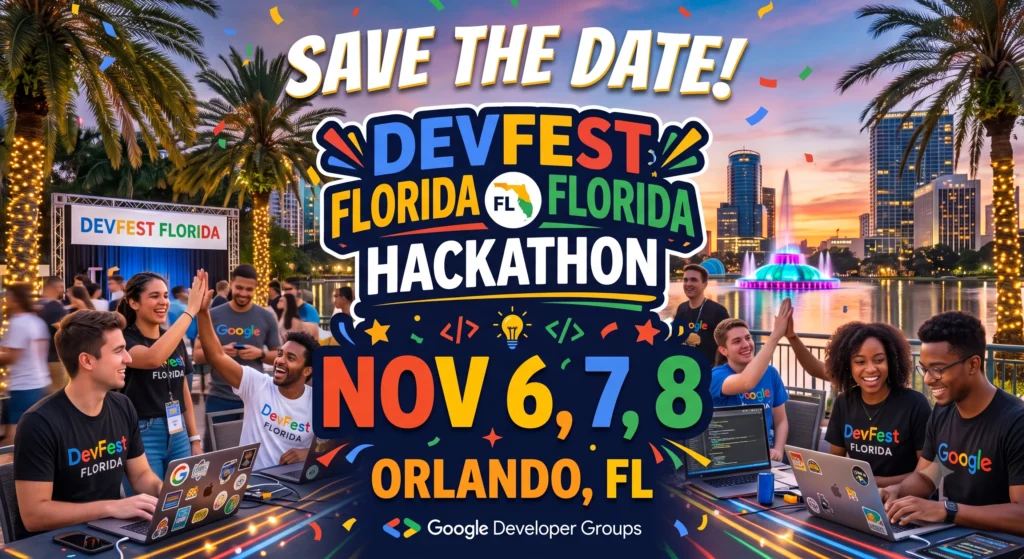 Learn more at DevFestFlorida.com